I moved to Japan one week ago.
On July 4, 2018, I arrived carrying the usual luggage and a much heavier contradiction: I was excited about the life ahead of me, and heartbroken about the two children I had left in Puerto Rico.
I had been ready to abandon every hope of building a career on the island. I had not been ready to leave them—not permanently, but for a year long enough to establish a home, save money, and make their eventual move safer.
The schedule that ate my Ph.D.
I was two years into a Ph.D. in Biomedical Sciences. On paper, I was pursuing the life I had always wanted: becoming a doctor, doing research, and eventually teaching at a university.
My actual schedule was less elegant.
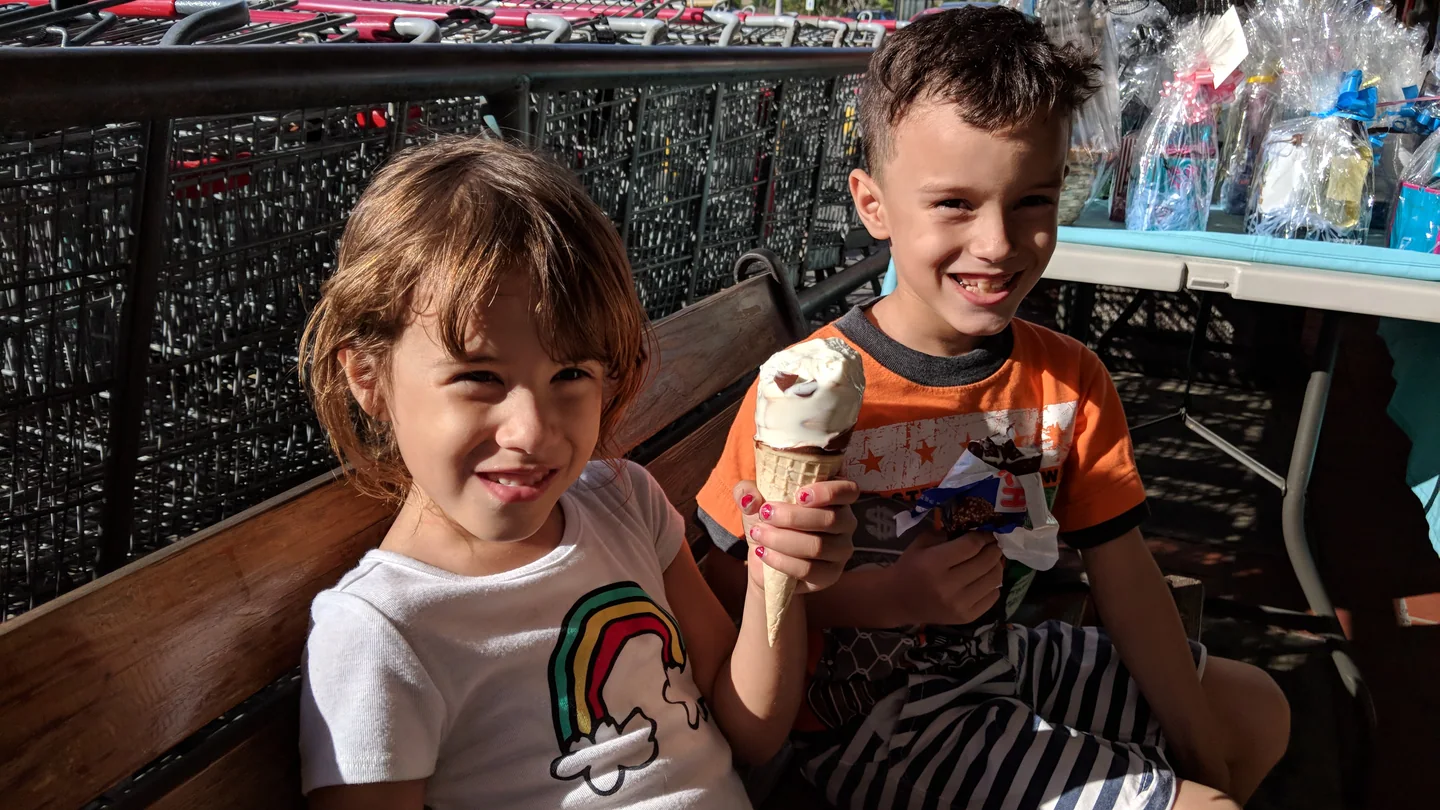
Every morning I took the children to school, then drove about 45 minutes to campus. At 2 p.m. I had to leave to pick up my daughter. I waited until my son finished at 3, took them home, cooked, and fed them. If something important required me back on campus, the children came with me. Otherwise, I simply could not return.
I did not have anyone available to look after them while I studied. Time-management advice becomes almost insulting when the missing resource is another responsible adult.
The previous semester, I had dropped a class because I was struggling and could not be present on campus enough. RISE required at least a B in every course. Losing my place in the program also meant losing my only income for supporting my children.
My career was not collapsing because I had stopped caring. It was being squeezed out of a calendar that had no room left.
Meanwhile, normal life kept happening
We decided that I would move about three months before I left. Strangely, we did not talk about it very much. Normal life continued, perhaps because discussing the countdown would have made every ordinary afternoon feel like a farewell.
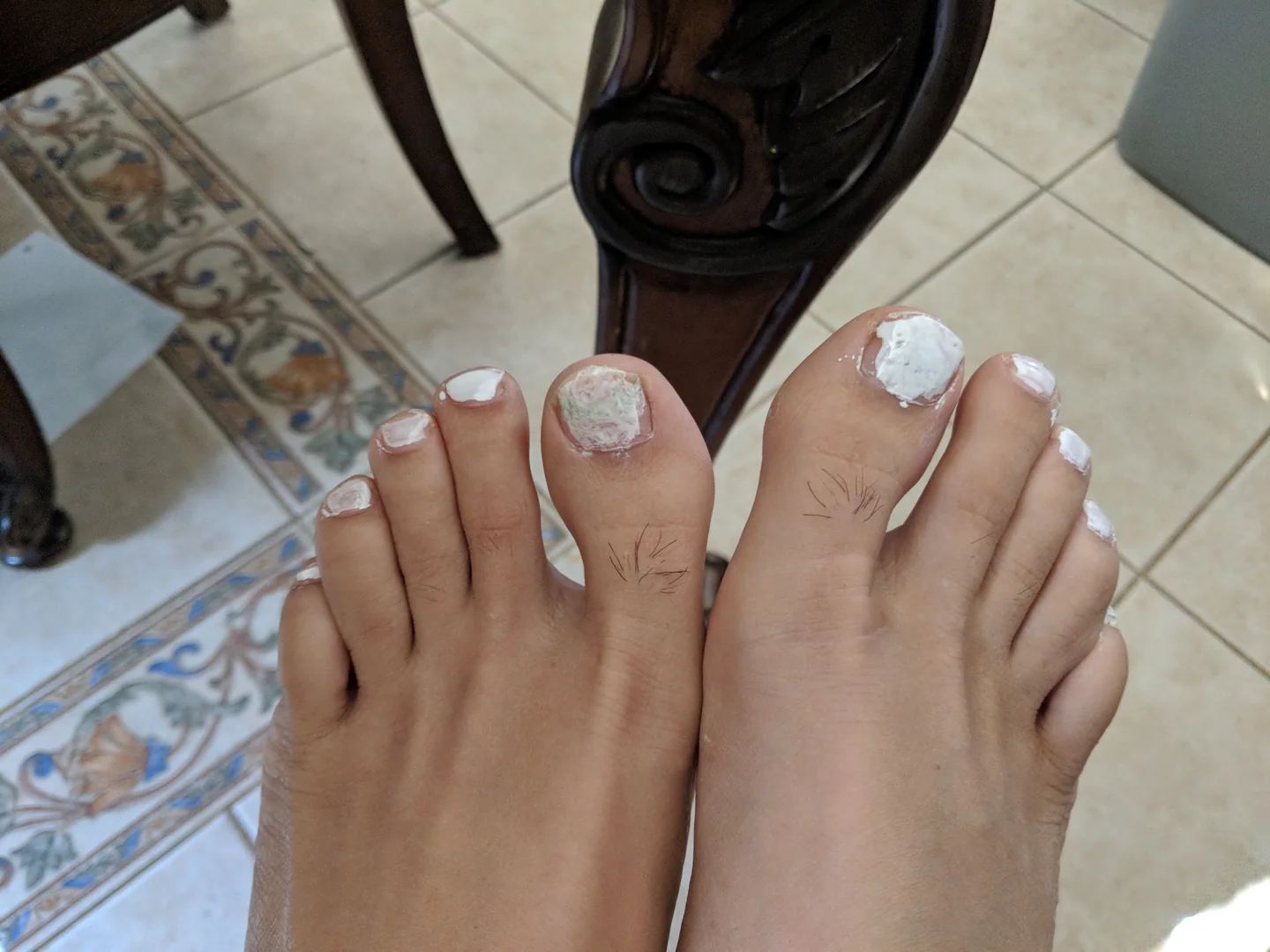
My daughter loved to draw on me. She covered me in temporary “tattoos,” painted my nails, and did my makeup while I played a game or watched television. I was apparently both her father and an unrestricted mixed-media surface.
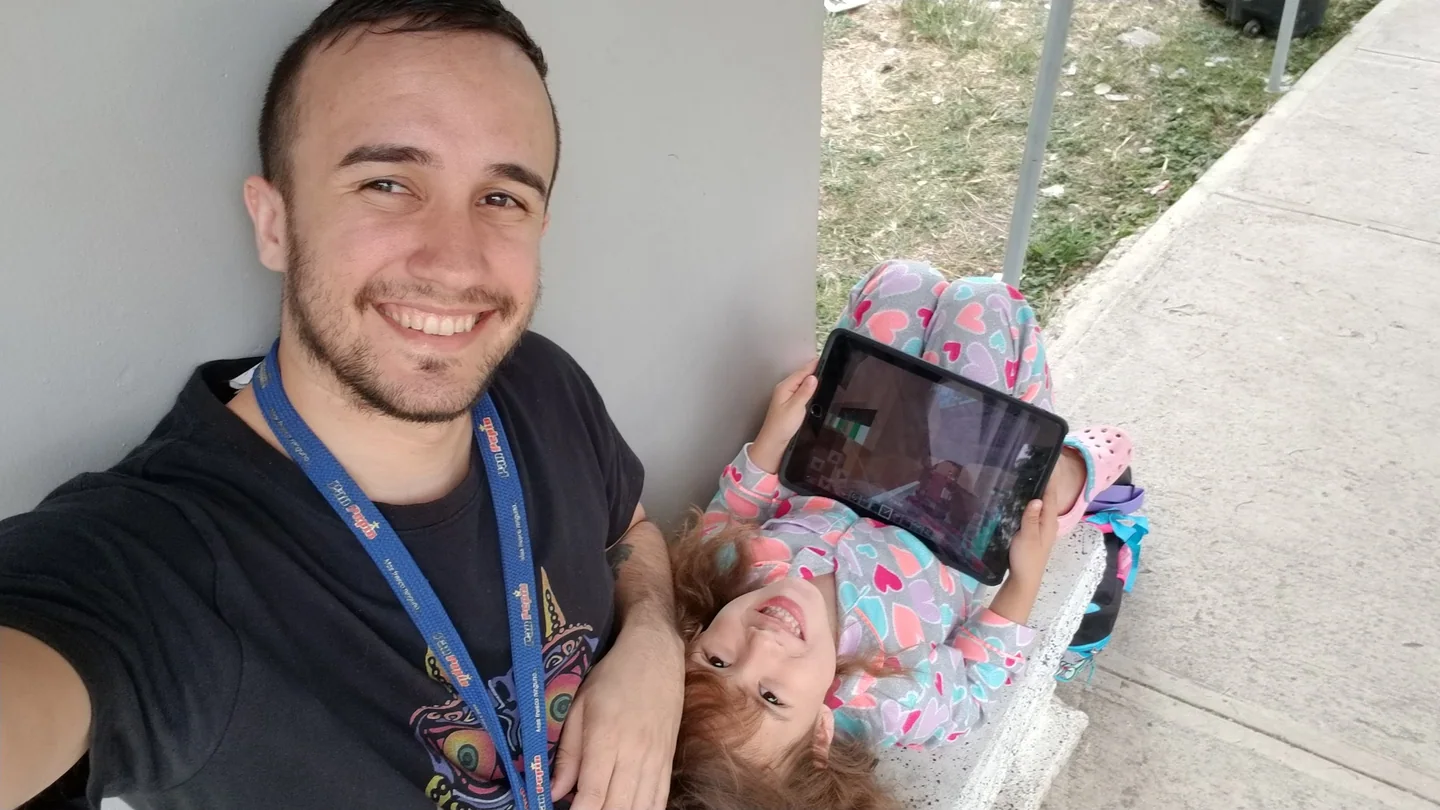
My son loved difficult games, so I challenged him with Bloodborne. He was seven. At one point he nearly cried because ordinary enemies kept killing him. Then he noticed that he was getting better at dodging. He kept trying until he defeated his first boss.
We both screamed and performed a strange victory dance. It had no recognizable choreography, but it was technically more graceful than several of his early dodge attempts.
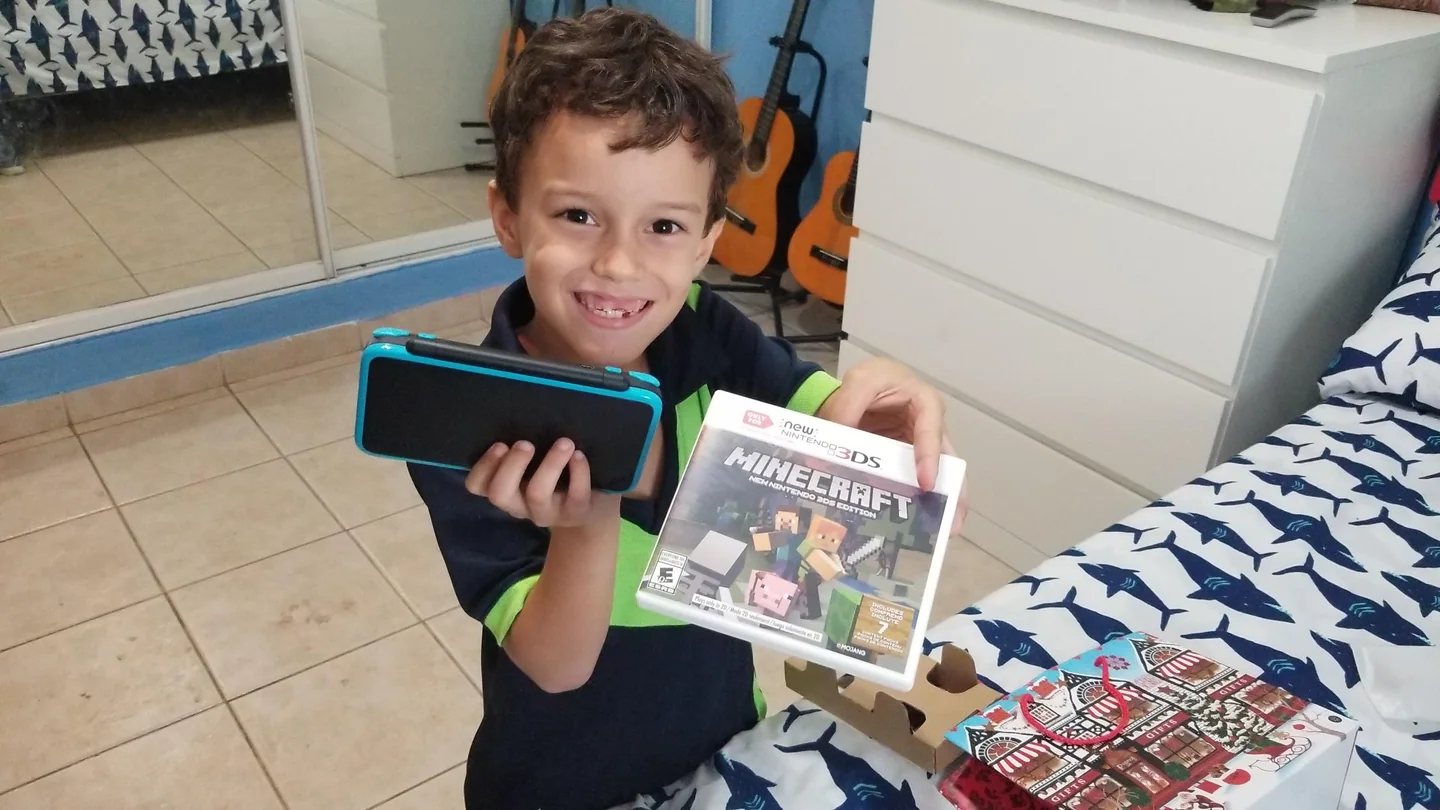
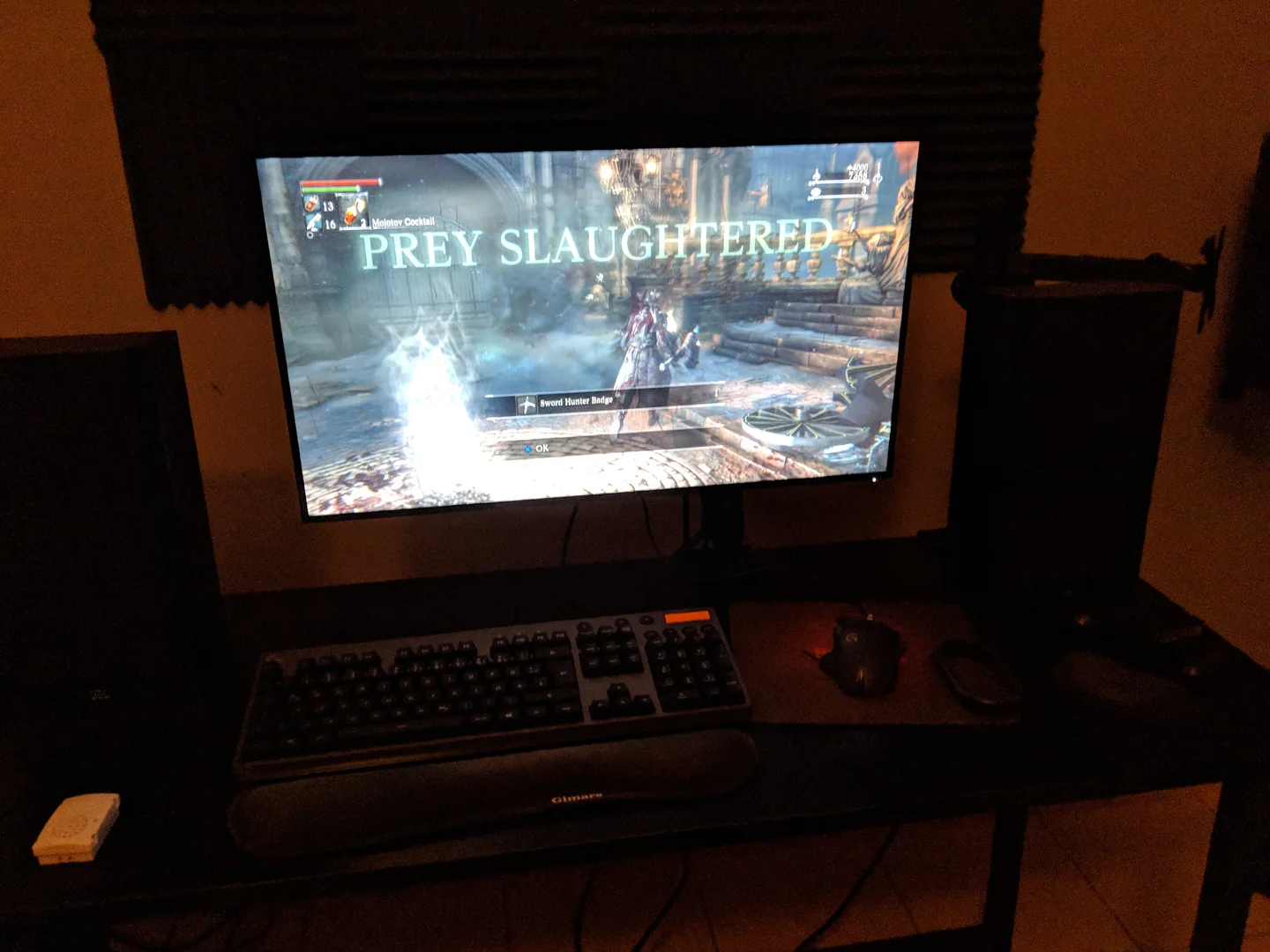
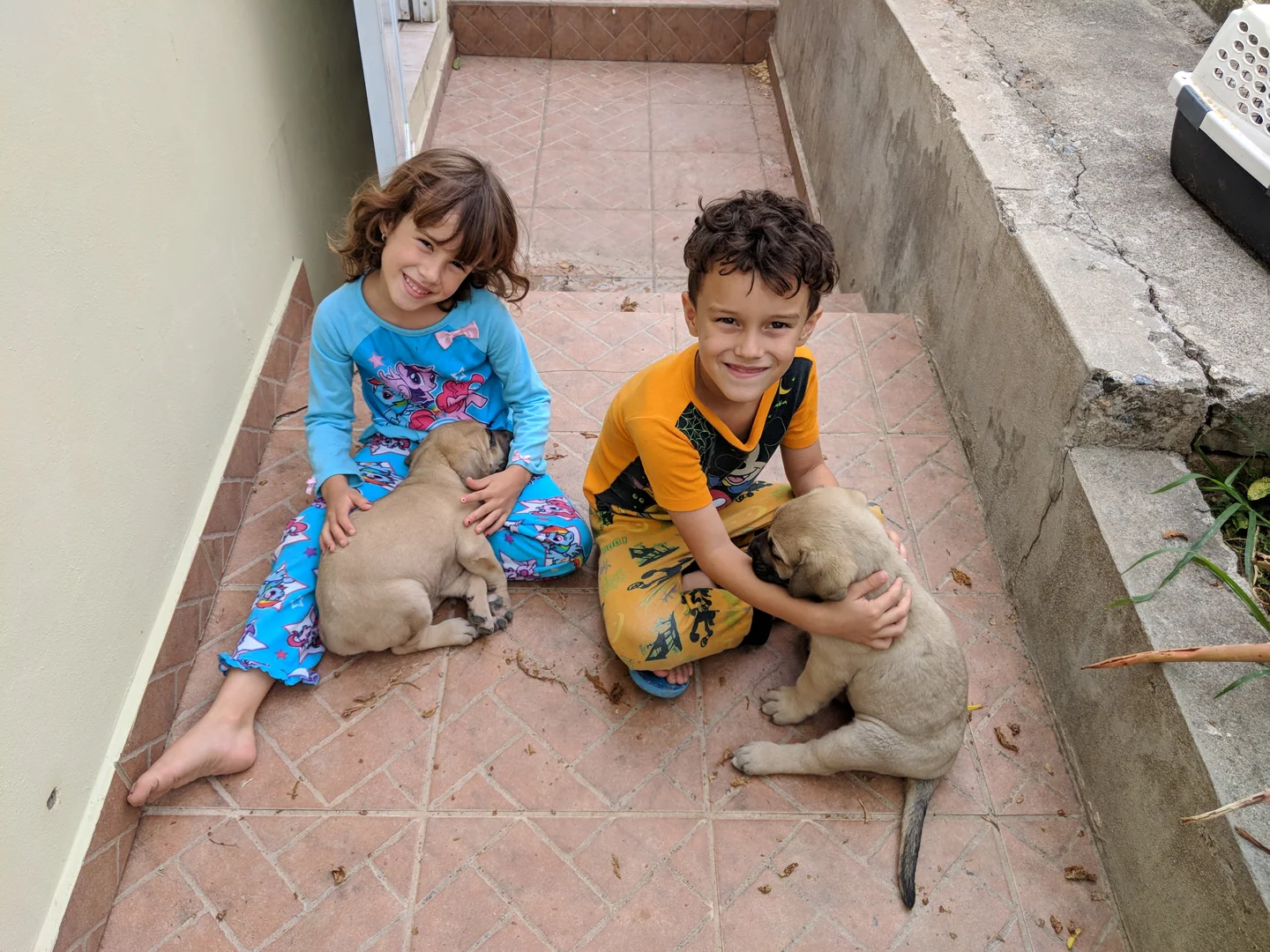
There were puppies, ice cream, school routines, drawings, games, and meals. The last months of a life rarely announce themselves. Mostly, they look like life.
A job I did not completely understand
I applied for an English-teaching job in Japan. I thought it was connected to the public school system. It turned out to be at a private eikaiwa-style school, which was a useful early lesson in the international language of reading job descriptions more carefully.
I had specifically asked not to live in a large city, so they placed me in Nagaoka. The salary was ¥270,000 a month with ¥100,000 in annual bonuses. In 2018, with the yen still relatively strong, that did not feel bad. More importantly, it was a real starting point.
The children's mother and I had a plan. I would settle for one year. We would both save, split the costs, and bring the children the following summer. Moving alone first was not an escape from responsibility. It was an attempt to remove as much risk as possible from an enormous move.
I promised the children that I would call every week and play games with them online. The internet, which had already shaped so much of my life, was now being promoted to temporary family infrastructure.
The goodbye we had avoided
A lot of people were leaving Puerto Rico. Young people were disappearing from the island's future one plane ticket at a time. Retired relatives were leaving too. We said goodbye to family and university friends because the conditions after Hurricane María had made staying harder to defend.
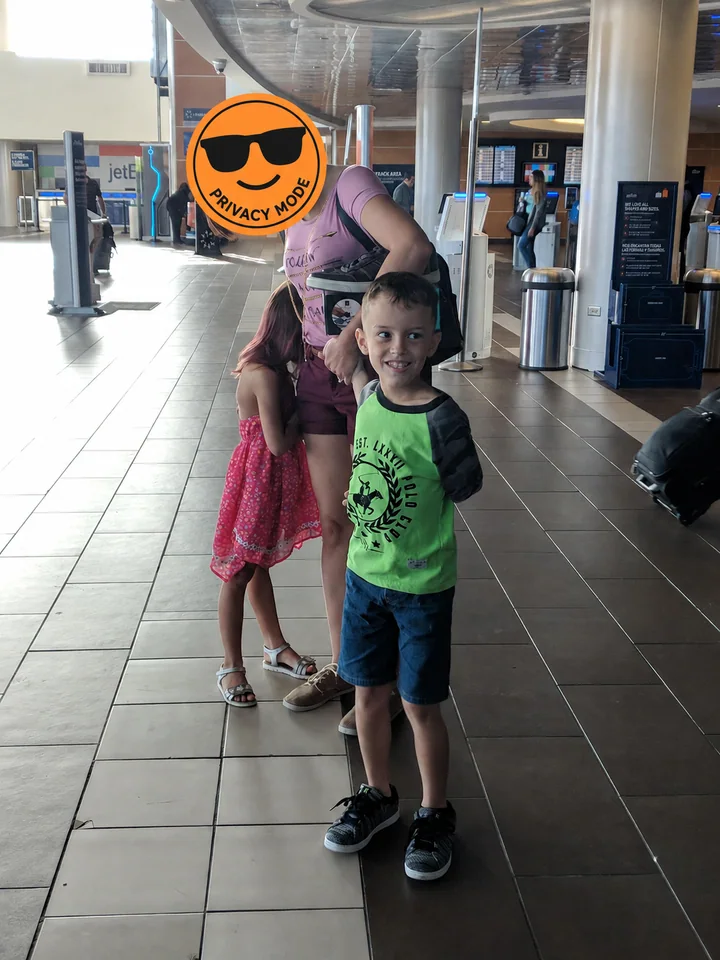
At the airport, we spent our final hours talking, remembering old times, playing, and hugging. My daughter kept saying that she did not want me to go. She had always been a daddy's girl.
My son mostly talked about games. Expressing feelings has never been easy for him, but he has always been my best friend. Talking about games was not proof that he felt nothing. It was how he kept standing there without having to name everything.
Their mother looked somber. I assured her that the year would hopefully pass quickly. Eventually, there were no more plans to discuss and no more minutes to spend. We separated at the airport gates.
Trained for change, not for silence
I served eight years in the military. It trained me to deal with constant change: new instructions, new places, new problems, and the expectation that you continue moving even when the plan has become mostly decorative.
That training helped on the flight. I was sad, but I was also excited. I was going somewhere completely new with a job, an apartment, and the first real hope in a while that I could stand on my own feet and build something for my family.
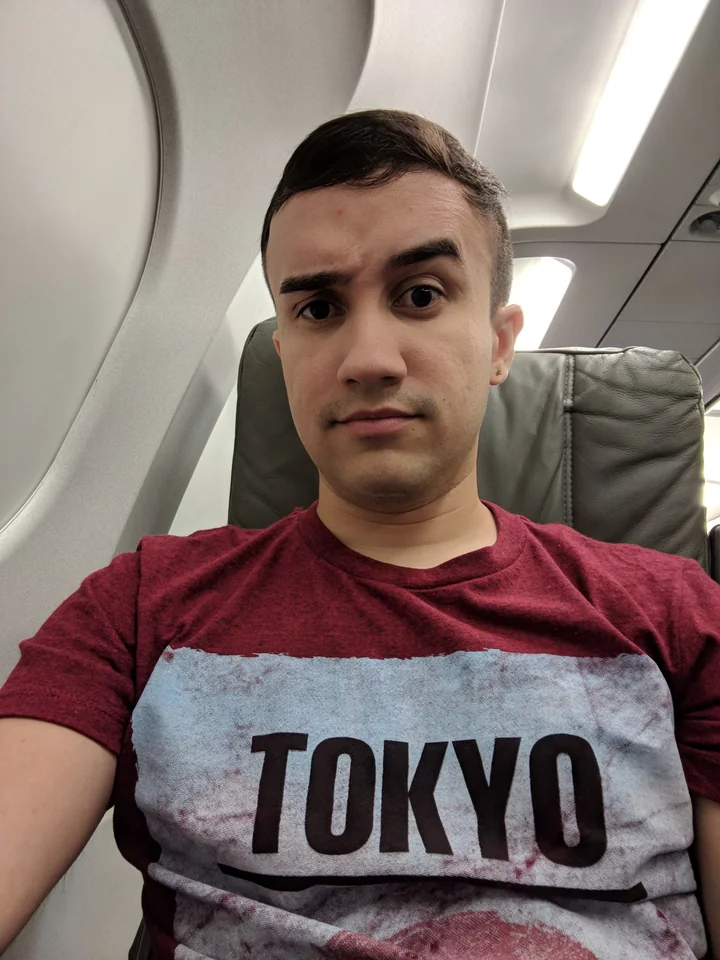
Now the training has started. The apartment is set up. A routine is beginning to form.
That is when the absence becomes strange. I wake up expecting the children to be there. For years, every morning began with somebody needing food, transportation, help, attention, or an emergency involving a missing shoe. Now there is only me.
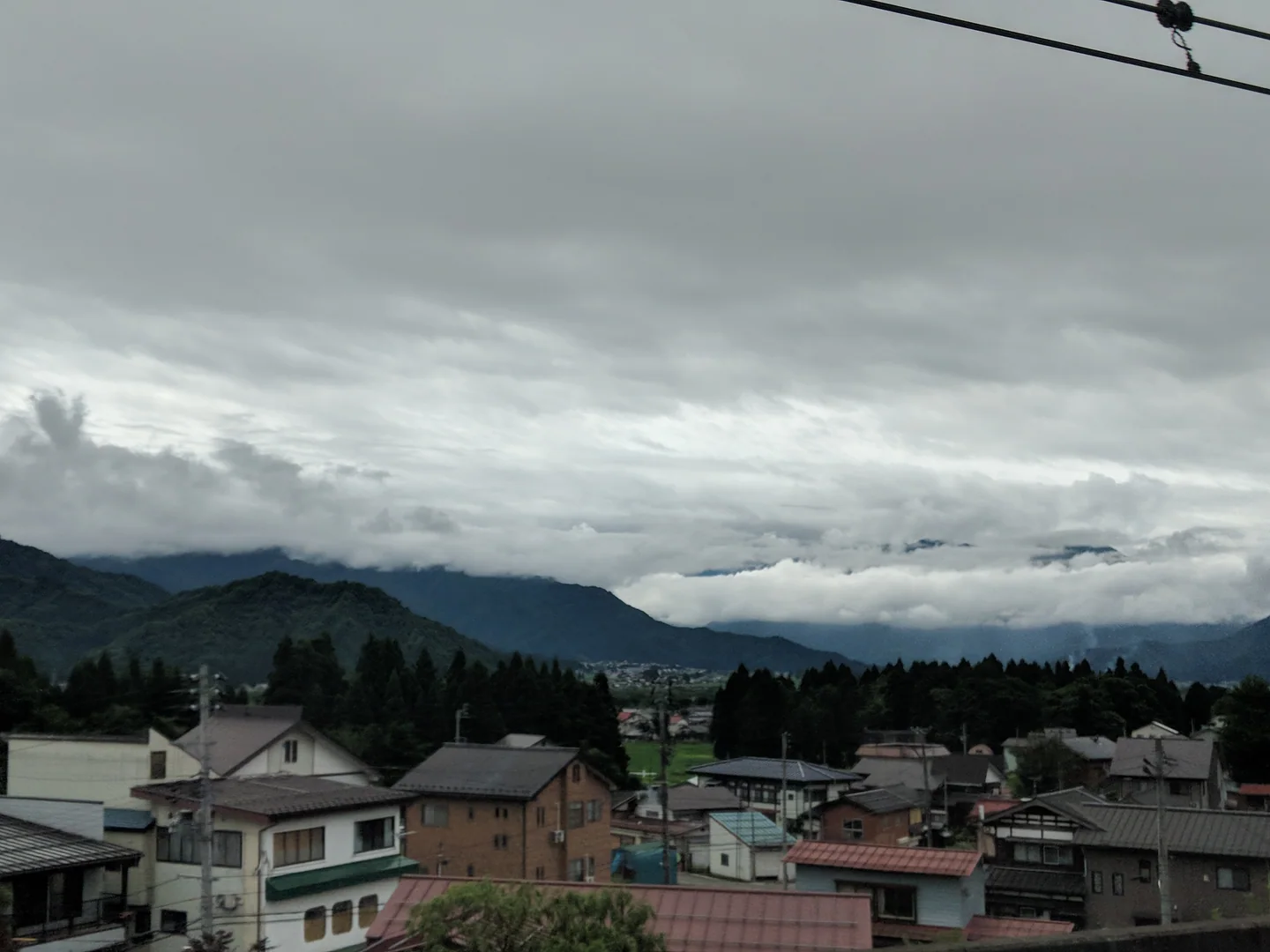
Japan can be lonely. A clean apartment and a working plan do not make noise. Stability does not automatically feel like home.
One year
When we call, the children have already returned to the rhythm of school. We talk normally and show each other things. That normality is comforting. It is also strange to watch family life through a screen that can be closed.
I do not know exactly what this year will become. I know only what I am trying to do with it.
I left Puerto Rico willing to bury the career I thought I would have there. After the hurricane, with constant power failures, declining confidence in the schools, and so many young people leaving, staying no longer felt like patience. It felt like allowing every possibility to narrow.
Japan has not given me proof yet. It has given me room: room to work, to have my own things, to stand up again, and eventually to bring my children into something more stable.
One year sounds short when you say it quickly at an airport gate. It feels much longer when you wake up alone.
So I will call. We will play games. Their mother and I will save. I will work, learn, and make this apartment ready for more than one person.
I did not cross an ocean because I wanted a life without my children.
I crossed it because I wanted to build a life large enough for them.