I bought my 2018 Japanese-market Honda Fit RS in May 2023 with only 11,000 kilometers on it.
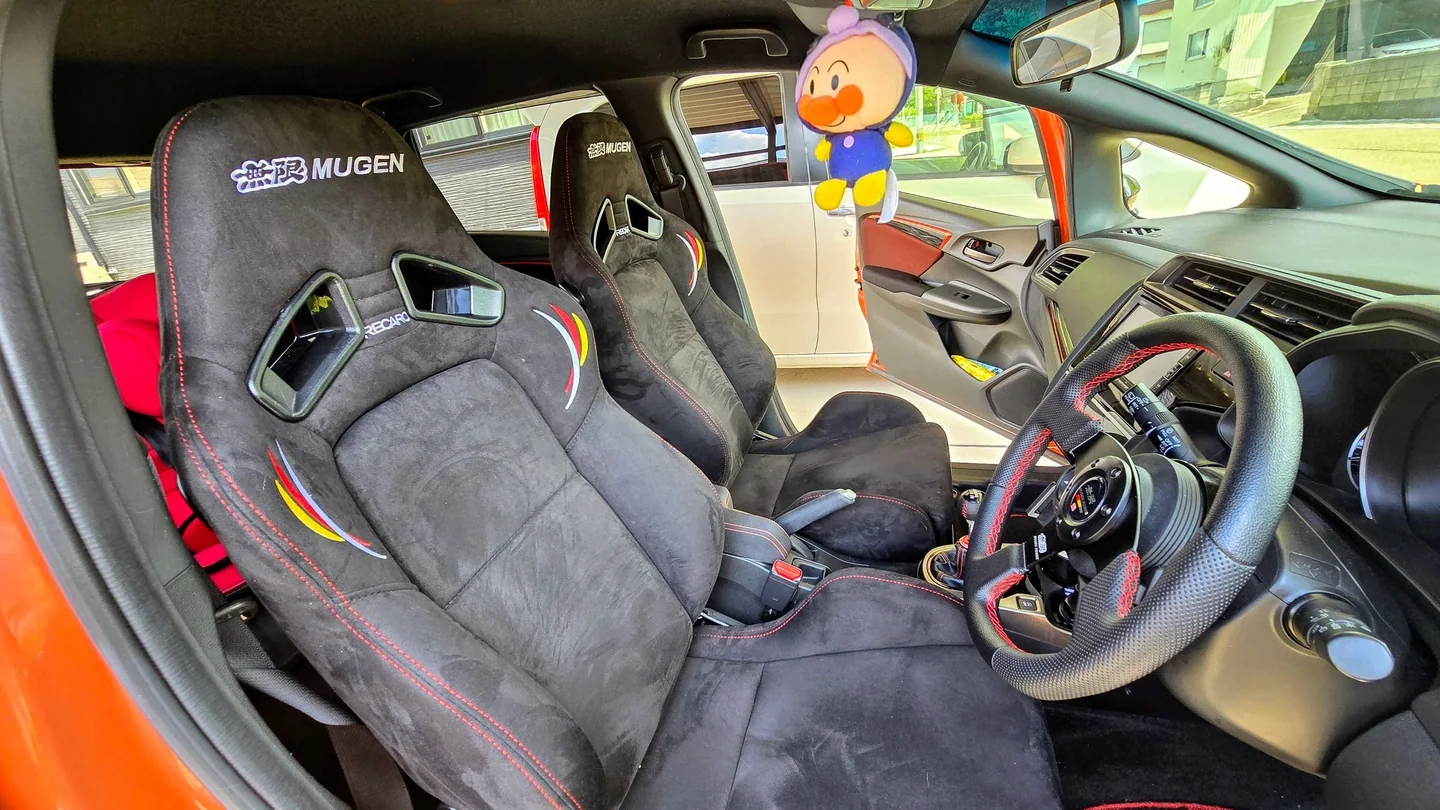
It was the sensible car. Six-speed manual, four doors, Honda’s magic folding seats, enough room for three children, and a body small enough for Japanese roads. It already had Mugen wheels, Mugen suspension, Mugen mats, and Mugen seats, so the previous owner had thoughtfully installed the gateway drugs.
Three years later, I have spent exactly $21,261.84 changing it.
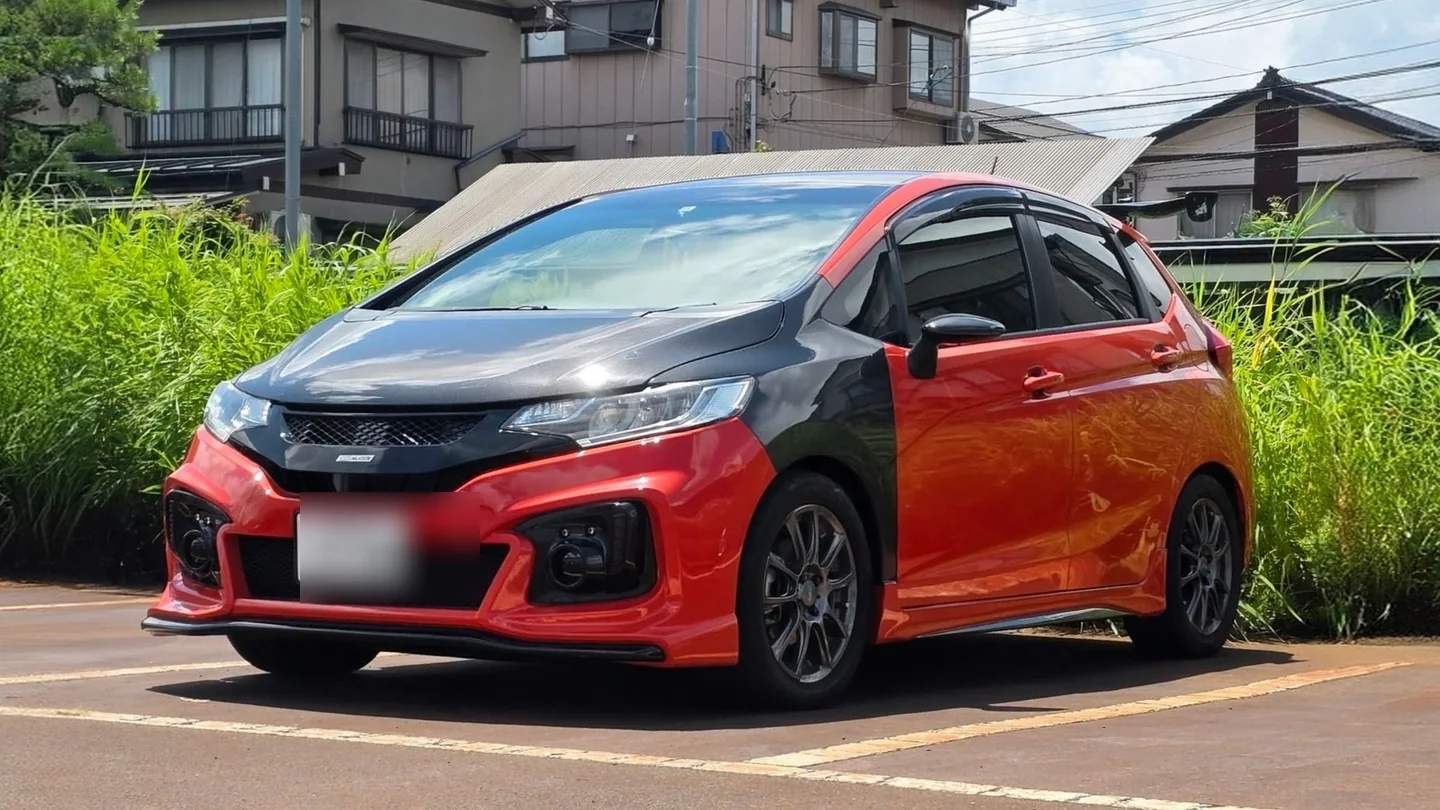
The Fit still carries my family, luggage, groceries, and all the mysterious trash children manufacture during a road trip. It has also acquired a full titanium exhaust, big rear brakes, a GT wing, and enough custom wet carbon to make practicality look like a clerical error.
The Fit never had a chance
I have loved cars since I was a teenager and used to race in amateur leagues. More importantly, I cannot leave any vehicle alone. If I bought a van, I would eventually be on a forum at 2 a.m. comparing spring rates.
I had already owned and turbocharged a GD3 Fit in Puerto Rico. I also own an S2000 Type S, an Integra Type R, and a Civic Type R. But with children, I needed a car that could do the boring work without becoming boring. The Fit is spacious, safe, light, and genuinely good on a circuit. Very little else combines those things this well.
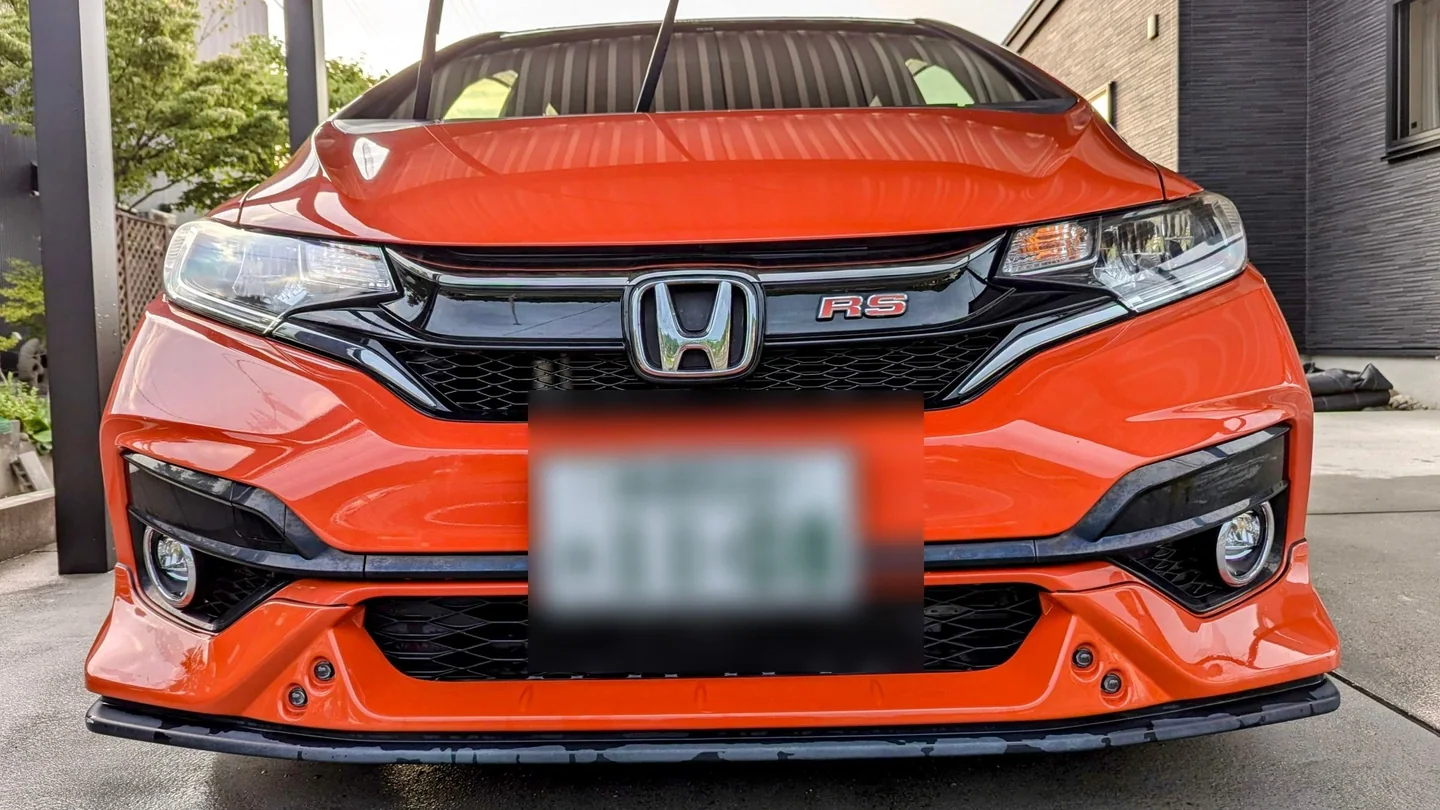
Honda’s own specifications identify this GK5 RS as a 1.5-liter L15B car, and the factory color as Sunset Orange II, code YR-585. Those are the last two parts of its identity that I have left mostly undisturbed.
First, fix everything I touch
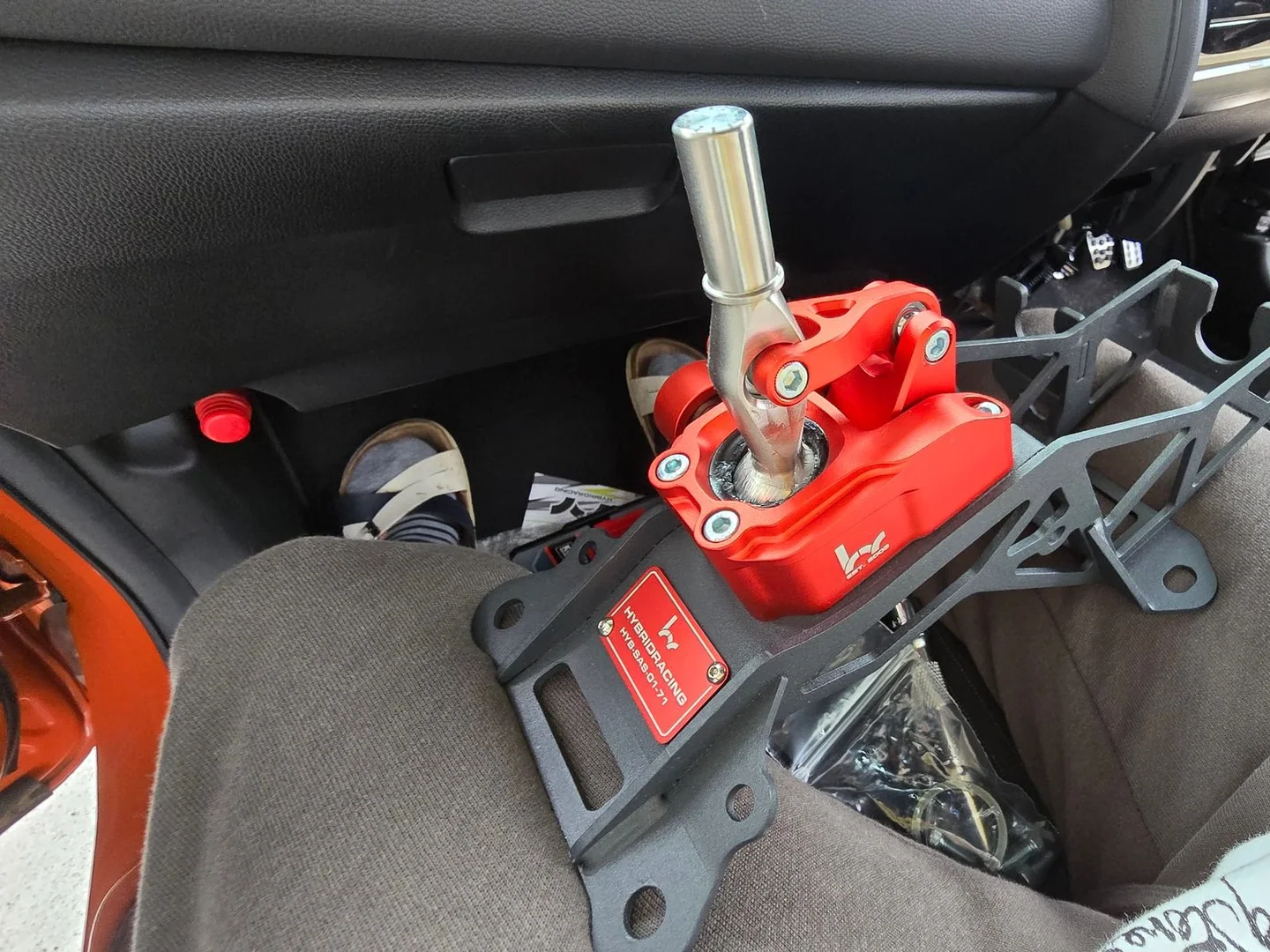
The first serious change was the Hybrid Racing short shifter. I installed it myself and set it to its shortest position because moderation had already missed the meeting. The stock six-speed linkage is usable; the Hybrid Racing assembly makes each movement shorter, tighter, and much more mechanical. It is the kind of modification you enjoy every time the car moves, even at legal speeds.
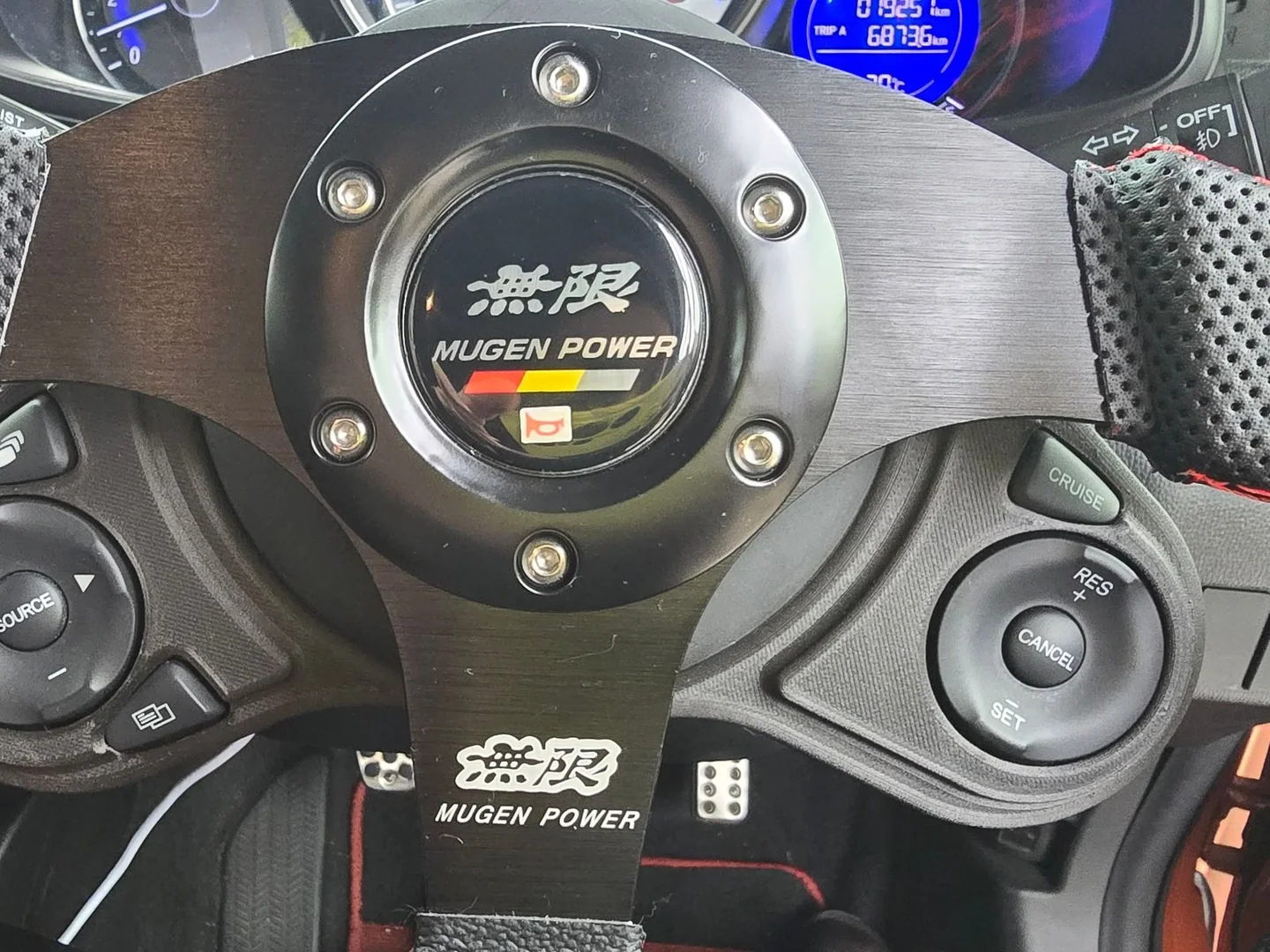
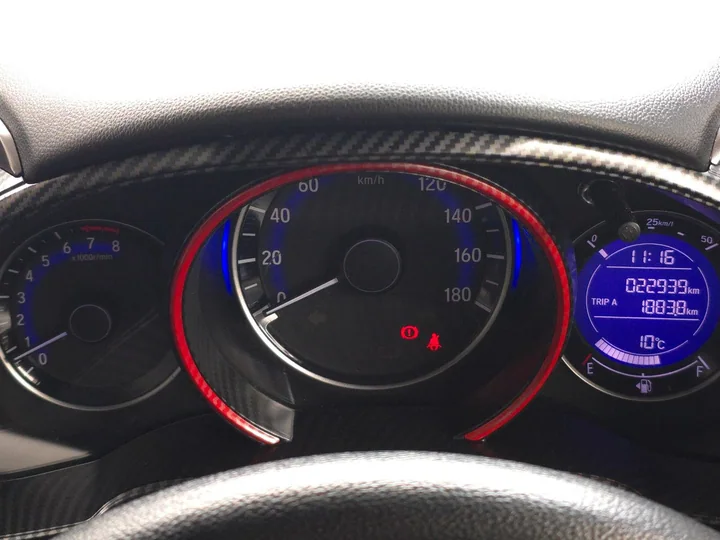
Then came the Mugen steering wheel and a Works Bell short boss with its SRD switch-relocation system. I did not use a quick release because I wanted the wheel close enough for the factory controls to fit. Audio, cruise, and the other buttons still work. A resistor keeps the airbag warning light off.
That is not the same as pretending an aftermarket wheel is a safety upgrade. It is a trade I knowingly made for driving position and feel. At least I did not convert the dashboard into a Christmas tree to celebrate it.
The Mugen oil cap arrived somewhere in this period. It has produced no measurable performance improvement, but it adds approximately seven horsepower whenever the hood is open and somebody is looking.
The Mugen seats deserve more credit. They hold me better on track without making the car miserable on a long family trip. The J’s Racing rear bar sharpened the chassis, while the non-adjustable Mugen suspension lowered the car without turning every uneven road into a negotiation.
Titanium, preparation, and one expensive placebo
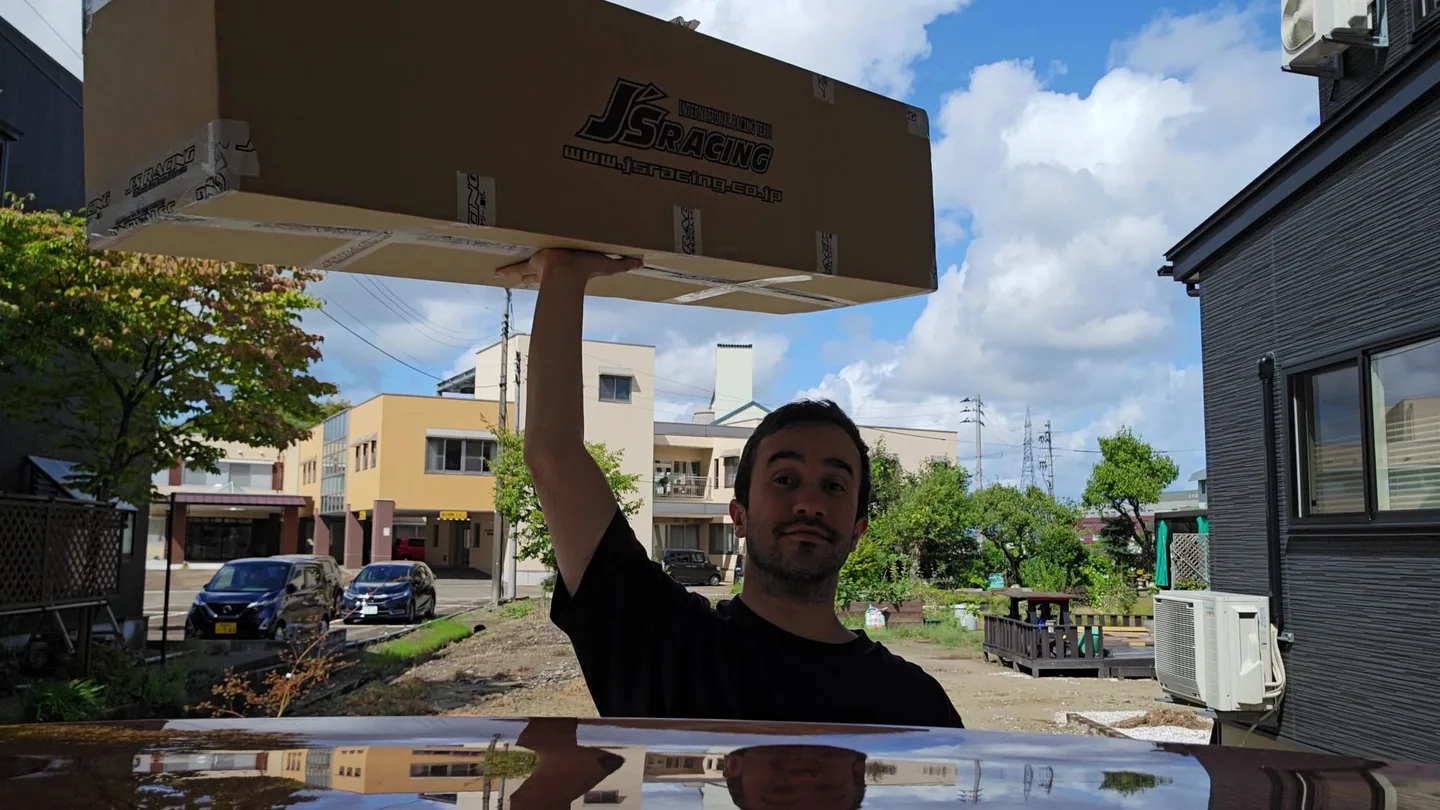
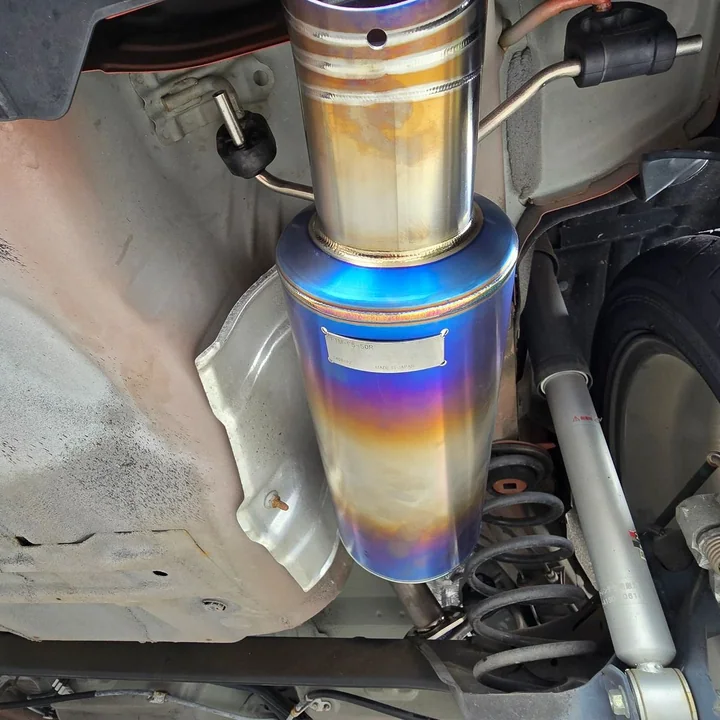
The J’s Racing FX-PRO Titanium 50R changed the car’s voice. It is part of a full titanium system with a resonated center section. J’s describes its titanium construction as more than 50 percent lighter than the stock exhaust, and the straight-through 50 mm layout is built around flow rather than silence.
Mine is not obnoxiously loud. The resonator keeps it civilized and there is no drone during highway trips. It became noticeably louder after I installed a Hasport rear lower engine mount, because stiffer mounts are excellent at converting mechanical events into family conversation topics.
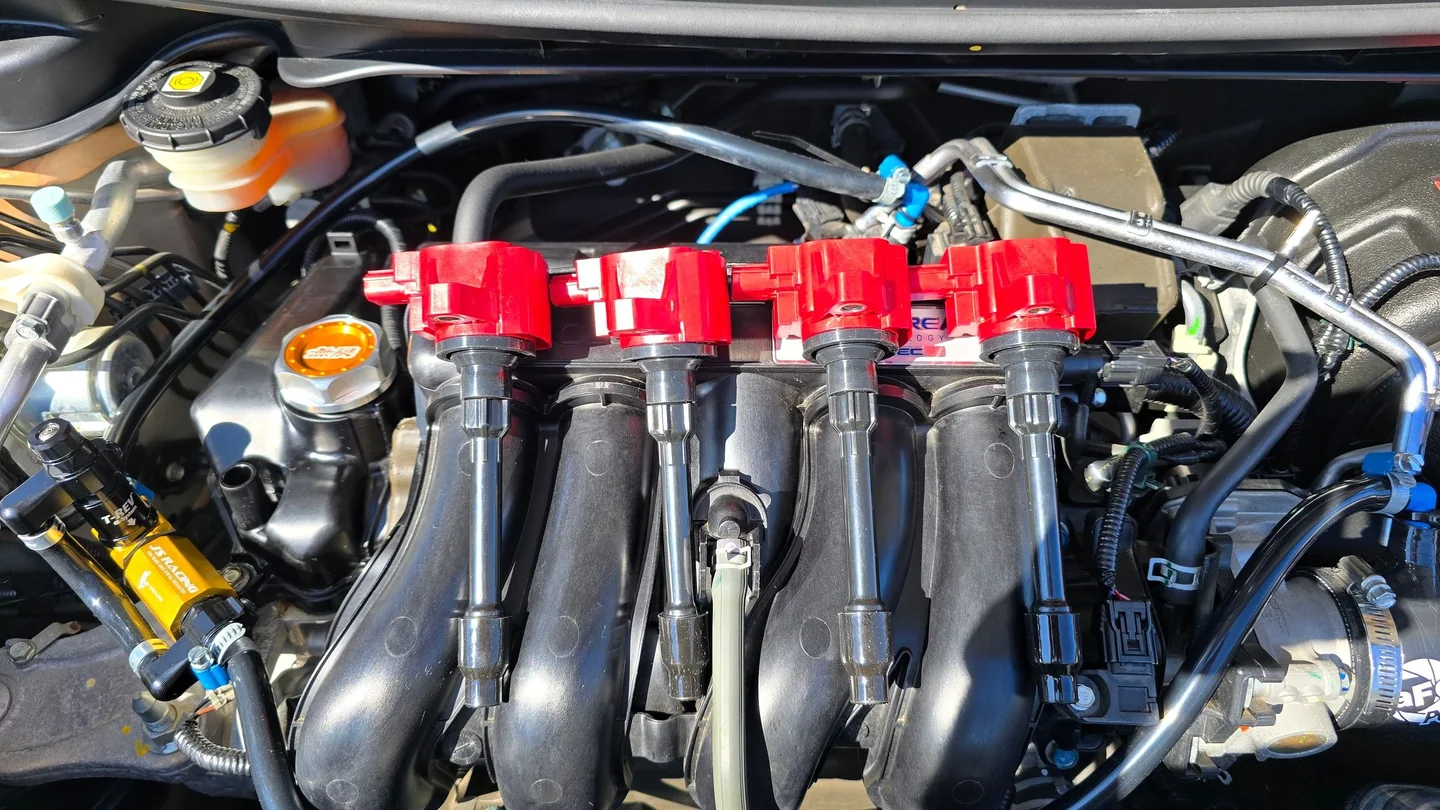
I also installed red MSD 82494 coils. MSD lists that set for both the 2015–2019 Fit and the 2016–2020 Civic, which supported my theory that the Civic Si pieces would work with the shared L15 engine family. They did. I felt no performance difference. The engine bay looked better, which is sometimes the entire scientific result.
The Takeda intake joined them, as did J’s Racing’s latest T-REV crankcase-pressure system. The T-REV is marketed as a one-way-valve system that reduces pumping resistance. I noticed absolutely nothing.
Maybe an instrument could find something. My butt dyno filed it under expensive faith-based component.
Braking before horsepower
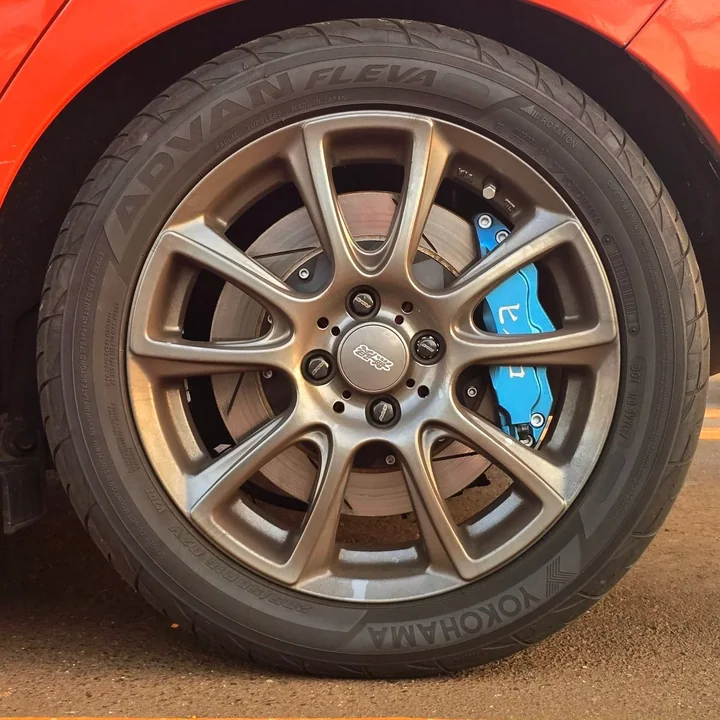
Yellow Speed Racing appeared to be the only company offering the rear big-brake solution I wanted for the GK5. I bought it partly because I needed it and partly because niche Fit parts have a habit of disappearing the moment you finally decide to order them.
The rear kit uses an adapter that preserves the factory handbrake. The braking improvement is enormous. It also squeaks loudly, because race-inspired hardware likes to remind pedestrians that comfort was not invited to the design review.
Together with the carbon GT wing, the brake setup made the Fit much more stable on track. I dropped a full second from my lap time at the Niigata circuit. That matters more to me than a catalog promise because it came from the same driver, the same car, and a stopwatch with no interest in my feelings.
The wing was the point of no return
Before the wing, the Fit could still pass as a modified street car. After the wing, nobody at a gas station needed additional evidence.
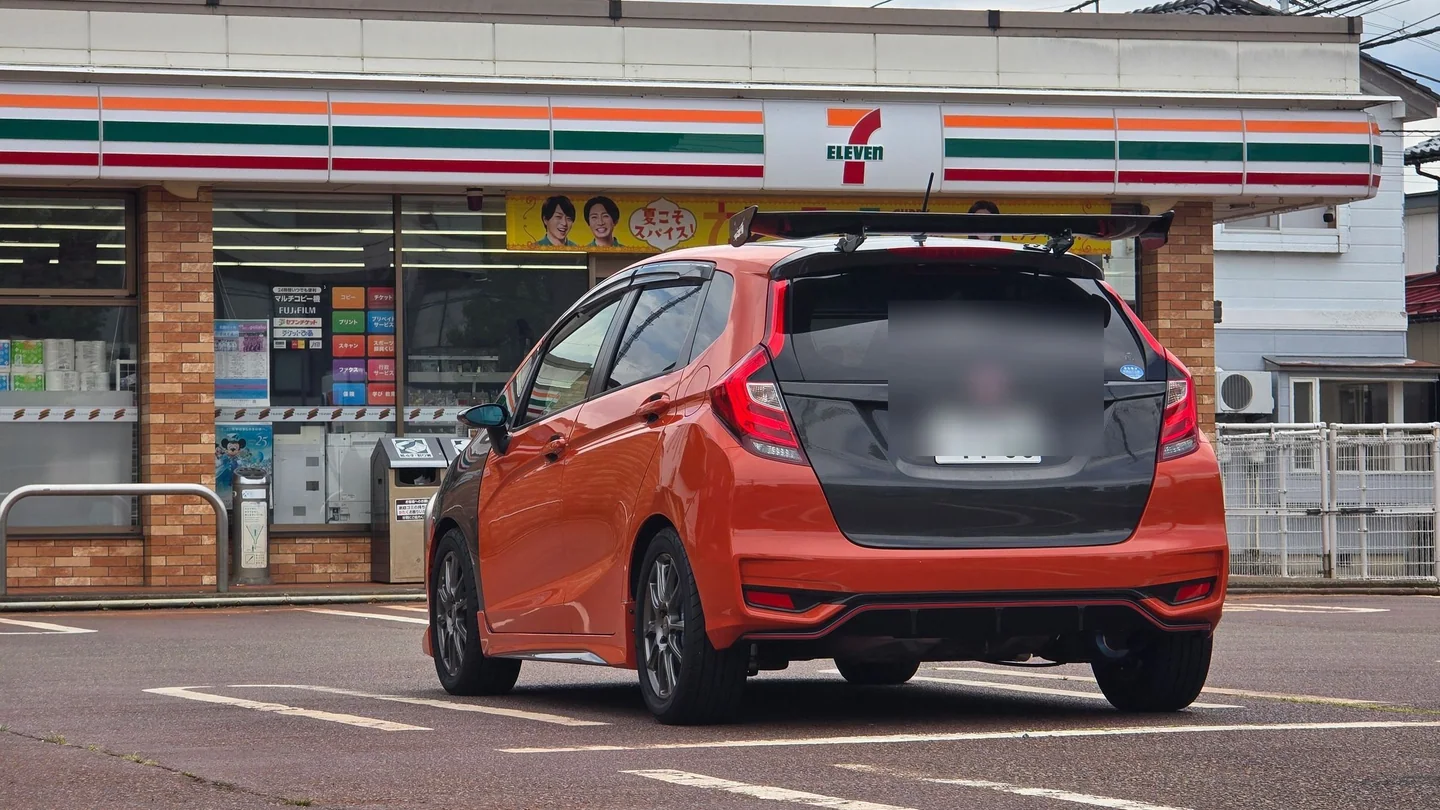
Installing it was the hardest job I did myself. It is a J’s-style carbon GT wing, and the Puerto Rico detail on it is a sticker—not a factory option, although Honda should consider the market. It is the modification with the most emotional value because it connects the car I built in Japan to where I came from.
It also works. At speed, the rear feels calmer and the car is more settled. The visual change was so large that every later modification felt like it belonged to the version of the car the wing had already announced.
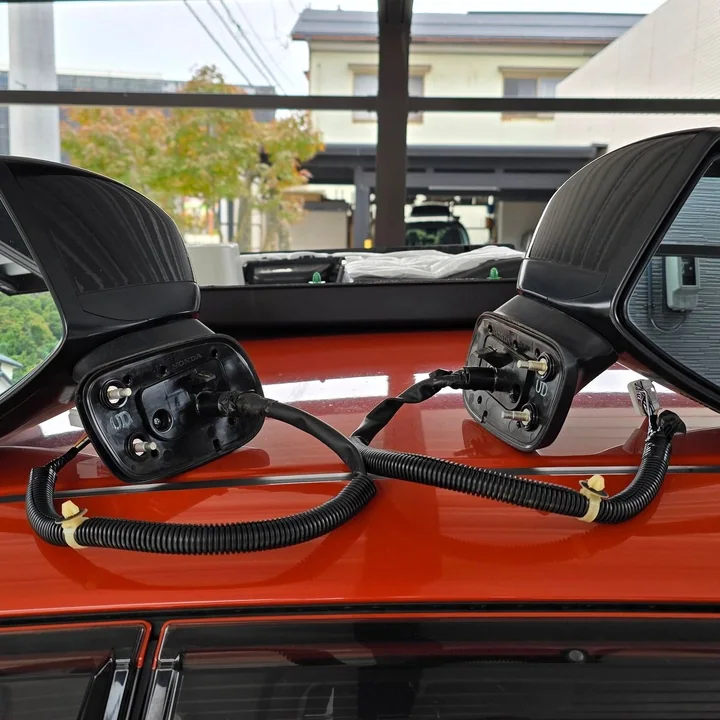
The AliExpress carbon grille fit perfectly, which is not a sentence I expected to write. Spoon-style full-replacement carbon mirrors removed electric adjustment and folding but reduced weight. They are less convenient every day and completely correct for this car.
Then I replaced most of the body
The final transformation happened together: custom wet-carbon hood, front fenders, roof panel, trunk, Mugen-style carbon side skirts, Mugen front bumper, and a complete repaint in the original Sunset Orange II.
These were not decorative skins. The hood, fenders, roof and trunk are replacement panels. The roof required the original panel to come out. It was the stage at which a project that began with a short shifter became major body surgery.
Real G.K. handled the body and paint work. It took about a month, and the result was flawless. Their YouTube channel shows the kind of repair and custom work they do. More importantly for me, the new carbon panels aligned properly, the paint matched, and the car returned without the collection of “small issues” custom work sometimes leaves behind.
It still has to be a family car
My wife hates it.
All three children love it. My daughter regularly asks me to floor it, demonstrating that at least one person in the family understands the development brief.
We have taken the Fit to Shizuoka, Aizu-Wakamatsu, Sendai, and Tokyo. The titanium exhaust does not drone. The Mugen seats remain comfortable. The hatch still accepts luggage through an opening no GT wing can emotionally diminish. That continued usefulness is the whole point.
Japan’s vehicle inspection adds its own comedy. On one inspection day I was sent home to change the muffler because silencers were not allowed. I returned, the car passed with the silencer, and the inspector gave me a look that contained several pages of unwritten administrative guidance.
Gas-station attendants stare at it. Sometimes that is admiration. Sometimes they may simply be calculating how many different carbon weaves can be attached to a Honda Fit before it becomes a different tax category.
What $21,261.84 actually bought
The carbon pieces were the best value to me because they reduced weight and completely changed the car’s presence. The T-REV was the least valuable because I cannot feel it doing anything. The Mugen wheels would be the first early decision I would reconsider; they came with the car, and I now want something larger or wider.
The next phase is already specific:
- RAYS Volk Racing CE28N-plus SL wheels
- Yellow Speed Racing front six-piston Ultra big-brake kit
- CUSCO SPORT S coilovers, part 3A2 64S CB
- EXEDY Single Sports S Metal clutch, HK07T
- CUSCO Type RS 1.5-way front LSD, 386 C15
- J’s Racing MAX Cooling radiator, RAS-F5
That list improves grip, braking, adjustability, cooling, and power delivery. It is also preparation for the engine build still waiting behind the software problem I described in All the Parts, None of the Software.
The forged pistons, rods, cams, springs, Civic Si injectors, carbon intake manifold, 70 mm throttle body, and 180-whp goal still exist. So does the possibility that ECU support never arrives and I settle for a normal J’s Racing reflash.
I can accept that the power build may never happen.
I apparently cannot accept owning an unmodified family car.
The Fit began as the sensible Honda among my four. It remains the one I use for school runs, errands, and long trips. It just does those things with a titanium exhaust, squeaky big brakes, a Puerto Rico wing, and most of its upper body made from carbon fiber.
That is still practical.
It is simply practical according to me.